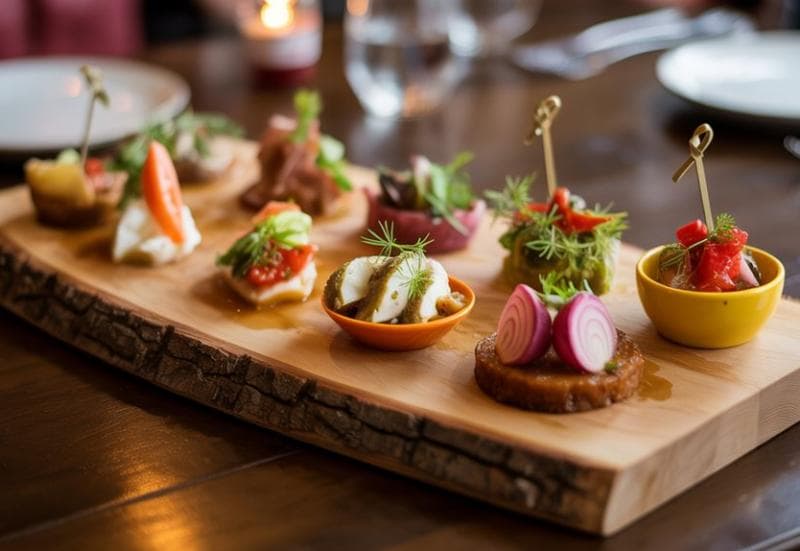
Tapas-style dining offers a vibrant and interactive experience, promoting the sharing and exploration of diverse flavors. To maximize profitability, we utilize strategic pricing and portion control. Positioning dishes at a mid-range price point prevents sticker shock and enhances perceived value. Motivating guests to order more reduces food waste and increases check sizes. Cross-selling complementary items and highlighting the chef’s recommendations further boost revenue. Designing menus for variety and shareability guarantees dynamic dining, leaving guests enthusiastic to discover more.
Key Takeaways
- Implement a value-based pricing strategy to position dishes in the mid-range, encouraging more orders and increasing sales volumes.
- Utilize portion control to optimize food costs, minimize waste, and boost profitability while maintaining a high perceived value.
- Rotate seasonal ingredients to enable dynamic pricing, creating a perception of exclusivity and freshness.
- Train staff in effective cross-selling techniques to boost revenue by suggesting complementary pairings and chef's recommendations.
- Design a diverse menu with clearly labeled shareability, prompting guests to explore and order multiple small plates.
Exploring the Appeal of Tapas-Style Dining
When we explore the appeal of tapas-style dining, it’s clear that this culinary approach offers a unique blend of social engagement and diverse flavors.
Small plates encourage us to share, creating a dining scene that’s lively and interactive. By sampling a variety of dishes from a tapas menu, we enjoy a culinary journey that satisfies our desire for exploration and customization. This service style promotes a casual atmosphere, aligning with current preferences for dining experiences that are both relaxed and engaging.
Chefs can showcase their creativity through seasonal offerings and limited-time dishes, keeping the menu fresh and enticing.
Tapas dining naturally fosters connections, resulting in increased customer satisfaction and encouraging repeat visits. It’s a delightful way to enjoy food and company alike.
Strategic Pricing for Maximum Profitability
Exploring tapas-style dining naturally leads us to contemplate how strategic pricing plays a key role in enhancing both customer satisfaction and restaurant profitability.
Our menu's small plates benefit from a value-based pricing strategy by positioning dishes in the mid-range. This approach prevents sticker shock and encourages guests to order more, boosting sales volumes. By offering a satisfying meal at a cost comparable to traditional courses, we enhance the perceived value and drive repeat visits.
Additionally, serving small portions reduces food costs and waste, thereby increasing profitability while maintaining quality. Featuring seasonal ingredients allows for dynamic pricing, reflecting market conditions and reinforcing value perception.
Encouraging sharing and multiple orders raises average check sizes, ensuring profitable outcomes through well-thought-out pricing tactics.
Utilizing Portion Control to Enhance Margins
Although often overlooked, portion control plays a pivotal role in enhancing restaurant margins by optimizing food costs and reducing waste. By focusing on small plates, we ensure that each menu item is crafted with precision, enabling us to minimize ingredient costs. This approach not only reduces waste but also enhances inventory management, thereby minimizing overstock and spoilage.
Our business model thrives on offering a variety of small plates, encouraging guests to order multiple items at a time. This increases the average check size while maintaining a high perceived value.
We strategically price small plates, especially those featuring unique or seasonal ingredients, to maintain healthy profit margins. Portion control also gives our chefs the freedom to be creative, offering a dynamic dining experience that keeps customers returning.
Designing Menus for Shareability and Variety
Building on our approach to portion control, we focus on designing menus that emphasize shareability and variety. Offering a diverse range of small plates is key. By providing a balanced selection of meat, vegetarian, and seafood options, we cater to a wide range of tastes and dietary preferences. We emphasize the use of seasonal ingredients to ensure freshness and facilitate frequent menu rotations. This keeps our offerings exciting and appealing to repeat customers. Clearly labeled portion sizes and shareability aspects help guests make informed decisions.
- Meat Options - Fresh and Local
- Vegetarian Choices - Rotating Selections
- Seafood Delights - Quality and Variety
Descriptive menu language and tasting flights encourage diners to explore a variety of flavors, thereby enhancing their overall dining experience.
Cross-Selling Techniques to Boost Revenue
Effective cross-selling techniques are essential for boosting revenue in a tapas-style dining environment. By offering small plates, we can encourage diners to explore a variety of flavors and combinations.
Cross-selling is effective when we suggest complementary items, such as pairing a cheese platter with wine. This tactic can increase sales per table by 10-20%. Training our staff to make these suggestions is vital.
Strategically designed menus also play a role. Highlighting popular pairings or the chef’s recommendations can entice guests to order more.
Seasonal specials or limited-time offerings create a sense of urgency, prompting diners to try new small portions. Additionally, offering a tasting menu with diverse small plates entices guests to explore more of the menu, potentially boosting their total spend by 30%.
Conclusion
By embracing tapas-style dining, we can enhance customer satisfaction and boost profits. Strategic pricing and portion control are key to maximizing margins. Crafting menus that emphasize shareability and variety keeps patrons engaged and enthusiastic to try more. Cross-selling techniques further increase revenue by encouraging customers to explore additional products and services. This approach not only elevates the dining experience but also guarantees a profitable business model. Let's leverage these tactics to achieve sustainable success in the restaurant industry.