We often overlook critical menu design flaws that can drain profits. Overcrowded menus with poor layouts and disorganized categories contribute to decision fatigue, making it challenging to make choices. Inconsistent branding elements, ineffective fonts, and color schemes reduce readability and brand recall. Mispricing, ignoring dietary preferences, and outdated seasonal offerings alienate customers. Proofreading negligence diminishes professionalism. Fixing these issues streamlines operations, boosts sales, and enhances customer satisfaction. Let's explore how addressing these mistakes can transform the impact of your menu.
Key Takeaways
- Limit menu items to around seven per category to reduce decision fatigue and enhance customer satisfaction.
- Utilize high-quality photos and engaging descriptions to increase sales and effectively manage customer expectations.
- Maintain consistent fonts and colors to reinforce brand identity and improve menu readability.
- Implement psychological pricing tactics to create perceived value and enhance profit margins.
- Clearly label dietary options to cater to diverse preferences and avoid alienating customers.
Overcrowding Your Menu With Too Many Options
When we pack too many options onto a menu, it can overwhelm our guests, leading to a phenomenon known as decision fatigue. This overcrowding means diners may struggle to make choices, which can affect their overall experience and satisfaction.
By limiting menu items to around seven per category, we simplify choices and focus on quality over quantity. This approach not only enhances guest experiences but also reduces operating costs. A streamlined menu minimizes food waste and improves kitchen efficiency.
Limiting menu items to seven per category simplifies choices and boosts quality, enhancing experiences and reducing costs.
Furthermore, managing a smaller selection enables us to adapt to customer preferences and seamlessly incorporate seasonal ingredients. In the long run, thoughtfully evolving our menu ensures we maintain high standards while controlling costs.
Ultimately, a well-curated menu benefits both our guests and our business.
Poor Categorization and Sequence of Items
Effective menu organization is essential for enhancing the dining experience and boosting sales. Poor categorization can confuse diners and slow down decision-making.
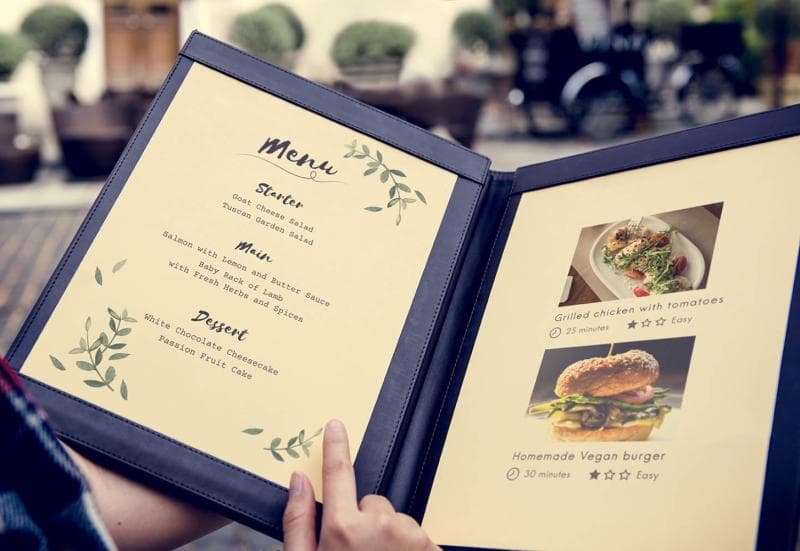
By implementing a logical sequence, such as grouping appetizers, main courses, and desserts, we create an organized menu layout that guides guests through their dining journey. Clear headers and section dividers enhance readability, allowing customers to quickly locate the information they need.
Catering to diverse dietary preferences by separating vegetarian and non-vegetarian dishes helps guests easily identify suitable options. Additionally, placing high-margin items in the "Golden Triangle"—the top-left section—captures customer attention and can effectively boost sales.
A well-structured menu not only streamlines service but also enhances guest satisfaction, encouraging them to order more.
Ineffective Use of Fonts and Colors
Choosing the right fonts and colors for a menu is more than just an artistic decision; it’s vital for maintaining brand identity and guaranteeing customer engagement. A well-chosen font size and color selection can draw customers' eyes to key items, enhancing readability and visual appeal. We should align our font choices with our brand identity, avoiding overly intricate fonts that confuse guests.
Color psychology also plays a significant role. The right hues can stimulate appetites or create a calming effect, impacting how customers interact with our menu. Inconsistent use of fonts or colors can dilute brand recognition and disrupt the menu layout. Let's make sure our design choices captivate and guide our guests.
Aspects of using fonts and their Impact:
- Font Size - Affects readability
- Color Selection - Influences customer emotions
- Brand Identity - Reinforces brand recognition
- Menu Layout - Guides customers' eyes
- Visual Appeal - Enhances customer engagement
Neglecting to Proofread for Errors
Although it might seem like a minor detail, neglecting to proofread our menus can have significant repercussions for our restaurant's reputation and customer experience.
Typos and errors can severely undermine our professionalism, leading to customer confusion and dissatisfaction. A single misspelling might cause misunderstandings about dish ingredients, potentially alienating guests with dietary restrictions or allergies.
To enhance clarity and menu appeal, we must guarantee our menus are error-free.
Here’s how we can improve:
Review Thoroughly: Take time to proofread each menu item thoroughly.
Seek a Second Opinion: Have a colleague review the menu to catch any overlooked mistakes.
Focus on Clarity: Guarantee descriptions are clear and accurate to instill customer confidence.
Mispricing and Psychological Pricing Tactics
Let's examine how mispricing and psychological pricing tactics can affect the effectiveness of our menu.
By using charm pricing, such as setting prices at $9.99 instead of $10, we can subtly create a sense of value that encourages customers to spend more.
Additionally, avoiding dollar signs and integrating prices into item descriptions helps shift the focus from cost to the dining experience, enhancing the perceived value of our offerings.
Charm Pricing Strategies
When considering charm pricing strategies, it's clear that ending prices with .99 can significantly impact consumer behavior. This tactic not only makes menu prices appear more appealing but also enhances perceived value.
By implementing charm pricing, we can subtly encourage cost fixation on higher-margin items without overtly emphasizing dollar signs. Presenting prices alongside item descriptions rather than in separate columns minimizes price fixation, allowing diners to focus more on the offerings.
Highlight perceived value: By using a price of $0.99, guests might perceive a significant deal, prompting increased spending.
Integrate pricing tactics: Offering decoys can make main items appear as better deals.
Enhance item descriptions: Align prices with descriptions to reduce cost fixation and promote engagement with menu items.
Avoiding Dollar Signs
Many restaurants unknowingly undermine their menus by overusing dollar signs, which can create a money-focused atmosphere and inadvertently make diners more price-conscious. By avoiding dollar signs and integrating prices within item descriptions, we can shift the focus from cost to the appeal of the dish, enhancing the dining experience.
Research shows that omitting explicit price indicators can increase customer spending, as it fosters a perception of hospitality over profit motivation.
Implementing pricing psychology, such as round pricing, can further influence customer behavior. Round pricing, like $10 instead of $9.99, suggests quality and encourages higher spending.
Thoughtful menu design that avoids aligning prices can prevent customers from fixating on costs, ultimately benefiting the profit margin by promoting choices based on desire rather than price.
Emphasizing Value Over Cost
While we've learned that minimizing dollar signs can elevate the dining experience, emphasizing value over cost further refines our approach to menu design. By applying pricing psychology, we can subtly influence customer perceptions. Charm pricing, such as listing an item at $9.99 instead of $10, makes prices appear more attractive. This technique enhances customer engagement by focusing on the experience rather than just the cost.
Nesting prices within descriptions helps shift the focus from cost to the appeal of the dish itself.
Highlight profitable items in strategic menu locations, such as the "Golden Triangle," to draw attention.
Removing dollar signs encourages a relaxed dining atmosphere, making customers more willing to spend.
Integrating prices into descriptions prevents guests from fixating on cost, enhancing their overall dining experience.
Lack of Descriptive Language and Visuals
Let's enhance our menus by incorporating high-quality photos and crafting enticing descriptions that highlight key features, such as spiciness or dietary restrictions.
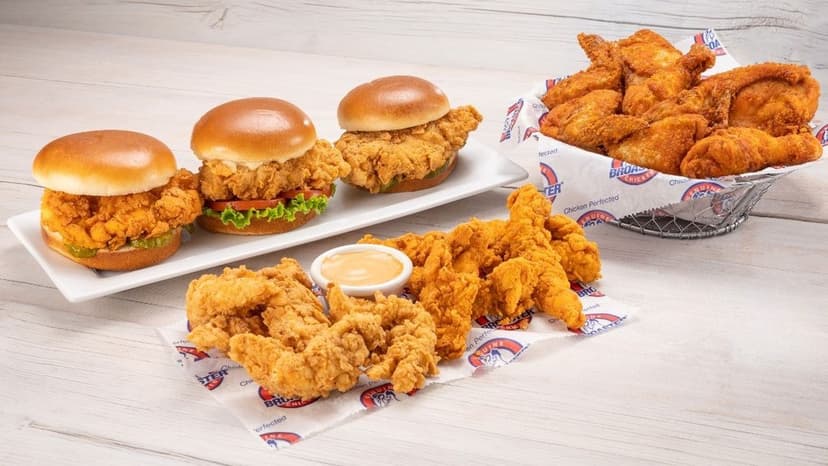
Pictures can boost customer orders by up to 30%, so using accurate images that reflect the actual presentation and portion size is essential.
Enhance Imagery With Photos
A well-designed menu should captivate diners not only through its descriptions but also by the compelling imagery it presents. High-quality photos can significantly impact menu design, providing a visual representation that aligns with customer expectations and enhances the overall sensory experience.
When we pair engaging descriptions with accurate images, we create an inviting dining experience that encourages customers to try new dishes and boosts sales.
Increase Orders: Photos can increase orders by up to 30%, making them a crucial component of effective menu design.
Clarify Choices: Visuals help clarify what each dish entails, reducing confusion and aiding decision-making.
Manage Expectations: Providing an accurate representation of presentation and portion size satisfies customer expectations and enhances overall satisfaction.
Incorporating these elements will make our menus more dynamic and appealing.
Craft Enticing Descriptions
Crafting enticing descriptions is essential for transforming a list of dishes into a compelling menu that excites and informs. Engaging menu descriptions highlight key ingredients and preparation methods, enticing customers while clarifying each dish.
Using vivid adjectives and sensory imagery enhances the appeal of menu items, making them more desirable. Pairing these descriptions with high-quality food photos can increase orders by up to 30%, as visuals greatly impact purchasing decisions.
It's imperative to provide brief yet informative descriptions that address dietary restrictions, allowing customers to make informed choices. Proofreading is crucial; typos and unclear language can undermine professionalism and cause misunderstandings.
Disorganized Layout and Flow
When menus suffer from a disorganized layout and flow, they can overwhelm diners, leading to decision fatigue. This confusion often results in lower satisfaction and reduced spending.
To improve the situation, we should focus on logically grouping menu items. Categorizing appetizers, main courses, and desserts can streamline navigation and boost orders.
Here's how to enhance our menu's effectiveness:
Highlight high-margin items by placing them prominently, such as at the top or center, to catch attention and boost sales.
Enhance readability: Use clear headers and section dividers to help customers quickly locate the information they need.
Follow typical ordering patterns: Design an organized menu flow that reflects how diners typically order, aiding the decision-making process and increasing average ticket sizes.
These strategies can transform our menu into a powerful sales tool.
Inconsistent Branding Elements
Inconsistent branding elements can undermine our restaurant’s identity, causing confusion and diluting brand recognition.
It’s essential that every design choice on our menu, from the font to the color scheme, aligns with our overall brand identity to create a cohesive visual experience.
Cohesive Visual Identity
Although it may seem minor, inconsistent branding elements, such as mismatched fonts and colors on a menu, can have a significant impact on customer perception.
A cohesive visual identity is essential for reinforcing our restaurant's brand identity. We need to maintain a consistent color palette and uniform branding elements throughout our menu design.
This not only strengthens brand recognition but also enhances dining experiences and customer satisfaction.
Consistent Color Palette: Use colors that evoke desired emotions, like warm tones to stimulate appetite.
Uniform Fonts: Guarantee all text styles align with the overall brand look and feel.
Logo Integration: Seamlessly incorporate the logo to reinforce brand identity.
Brand-Aligned Design Choices
To guarantee our menu design aligns with our brand, we must make deliberate design choices that reflect our restaurant's unique identity. Inconsistent branding dilutes recognition, which in turn impacts customer trust and loyalty. A cohesive design, utilizing consistent fonts and colors that align with our restaurant's theme, enhances the customer experience and fosters stronger emotional connections. Customers are drawn to well-branded menus, which can boost sales and retention.
Updating branding elements regularly is important. Let's ensure our menu reflects current trends without compromising our core brand identity. Here's a simple breakdown:
Aspects of brand designs, their importance, and Action:
- Font: Brand identity - Choose consistently
- Color Palette: Emotional connection - Use brand colors
- Presentation: Customer experience - Maintain cohesion
Consistency in these areas has a positive impact on sales and customer loyalty.
Ignoring Customer Dietary Preferences
When restaurants overlook customer dietary preferences, they risk alienating a substantial portion of their clientele.
Restaurant menu design mistakes, such as overlooking vegetarian, gluten-free, and customizable options, can diminish guest satisfaction. To attract repeat customers, we should acknowledge that 38% of consumers actively seek out places that cater to these needs.
Here’s how we can address dietary preferences effectively:
Label Clearly: Clearly label dishes that cater to specific dietary restrictions to enhance guest satisfaction.
Customizable Options: Offer customizable options, allowing guests to tailor their meals, which can boost upselling opportunities.
Seasonal Ingredients: Incorporate seasonal ingredients to keep the menu fresh and relevant, encouraging return visits.
Failing to Update Menus Seasonally
While acknowledging customer dietary preferences plays an essential role in enhancing guest satisfaction, staying relevant with seasonal menu updates is equally important.
Failing to update our menus seasonally can result in a lack of freshness and relevance. This oversight might cause customers to lose interest and seek dining experiences elsewhere.
Seasonal menus attract repeat customers by offering new, exciting dishes that utilize fresh, locally sourced ingredients. This not only enhances the dining experience but also helps manage food costs effectively by leveraging lower prices for in-season produce.
Regularly updating the menu keeps customer interest high, creating a sense of urgency to try the latest offerings. Ignoring seasonal changes can result in missed opportunities, especially with current food trends such as organic or plant-based options.
Conclusion
In summary, optimizing our menu involves thoughtful consideration of design elements that can greatly impact our customers' experience and our bottom line. By streamlining options, organizing items logically, and using fonts and colors effectively, we can enhance readability. We shouldn't overlook proofreading or underestimate the power of strategic pricing. Regular updates and aligning with dietary trends guarantee relevance. Let's prioritize a cohesive brand presentation and a layout that flows, ultimately making our menu a tool for success.