
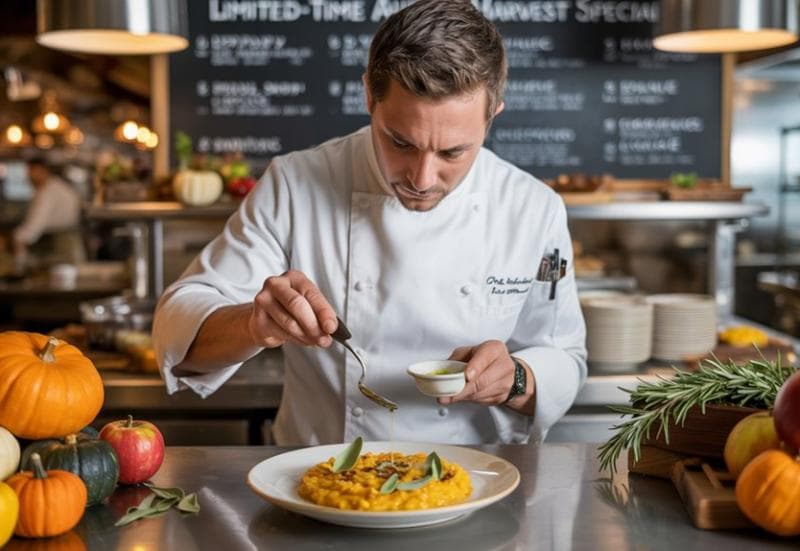
We craft seasonal menus using fresh ingredients, emphasizing limited-time offers that combine urgency and exclusivity. To price these dishes effectively, we target a food cost percentage around 30%, breaking down each dish into individual ingredient costs to track yields and minimize waste. Dynamic pricing adjusts in response to demand and customer data, maximizing revenue during peak periods. Highlighting rarity and using compelling descriptions boosts perceived value. Discover more about maximizing seasonal menu profitability next.
Key Takeaways
- Target a food cost percentage of around 30% for limited-time dishes to ensure profitability.
- Break down each dish into individual ingredient costs to accurately calculate pricing.
- Adjust menu prices based on demand and customer traffic data for dynamic pricing.
- Utilize compelling descriptions and visuals to elevate the perceived value of limited-time offers.
- Regularly monitor sales data to refine pricing strategies and maintain relevance.
Understanding the Concept of Seasonal Menus
While exploring the concept of seasonal menus, we find they offer a practical approach to dining that emphasizes fresh, local ingredients at their peak.
Seasonal menu changes enable us to craft seasonal dishes that not only highlight these ingredients but also keep our offerings dynamic and engaging. By focusing on seasonal ingredients, we can reduce our food cost percentage, as these items are often more affordable and abundant during their harvest season.
Collaborating with local farmers not only supports the community but also guarantees the freshest flavors in our dishes. Menu engineering plays a vital role in developing pricing strategies that attract customers.
Seasonal menus create excitement around dining experiences, drawing patrons enthusiastic to taste unique, timely dishes that are both cost-effective and enticing.
Benefits of Implementing Seasonal Menus
By implementing seasonal menus, we can significantly enhance the dining experience while effectively managing costs. Seasonal menus spotlight locally sourced ingredients at their peak freshness, elevating both flavor and nutritional value. This approach not only delights our customers but also reduces food costs, as in-season produce is more abundant and affordable.
By lowering costs, we improve our profit margins.
Introducing limited-time offerings creates a sense of urgency, boosting customer engagement and increasing sales by up to 26%. These unique dishes, aligned with seasonal trends, attract new patrons and encourage repeat visits.
Additionally, seasonal menus support sustainability by reducing carbon footprints through the use of local sourcing. This eco-friendly approach resonates with consumers who prioritize sustainability, making our restaurant a preferred choice for conscientious diners.
Identifying Seasonal Ingredients for Your Menu
Exploring seasonal ingredients is a key step in crafting menus that appeal to both taste and sustainability. By focusing on locally grown produce, we can enhance our menu offerings, creating vibrant dishes that stand out as menu highlights.
Seasonal ingredients, such as summer berries or fall pumpkins, not only boost flavor but also help lower pricing, as they're often more affordable and abundant during peak harvest times. Partnering with food suppliers and local farmers guarantees we get the freshest perishable items while supporting local economies.
This approach resonates with our customer base, who value fresh, sustainable choices. To effectively plan, we should research seasonal availability through farmers' markets or agricultural resources, aligning our menu with ingredient harvest times to maximize appeal and profitability.
Crafting the Perfect Limited-Time Offer
When we craft the perfect limited-time offer (LTO), we tap into a powerful marketing tool that combines urgency with seasonal appeal.
Seasonal menu items, featuring fresh, local ingredients, not only enhance flavor but also help reduce ingredient costs. By partnering with local producers, we guarantee quality and support the community.
Featuring fresh, local ingredients, seasonal menu items boost flavor and reduce costs while supporting the community.
Pricing LTOs strategically is vital; we target a food cost percentage around 30% to maintain profitability. Dynamic pricing can be leveraged to adjust prices in response to demand, thereby maximizing revenue during peak periods.
Highlighting the exclusivity of these limited-time offers through enticing descriptions and visuals increases customer interest.
Ultimately, well-crafted LTOs can lead to a significant boost in sales, with some studies indicating a 26% increase when executed effectively.
Calculating Costs for Seasonal Dishes
To accurately calculate the costs of seasonal dishes, we must break down each dish into its ingredients, including spices, garnishes, and cooking oil. This detailed breakdown helps us assess the total costs and align them with our menu's pricing strategy.
We track ingredient yields to understand the amount of usable product we obtain, accounting for food waste and preparation losses. Regular updates to our recipe costing, incorporating current supplier prices, are essential, as ingredient costs fluctuate seasonally.
Portion control practices are key in minimizing food waste and ensuring ideal ingredient usage. By doing so, we enhance the profitability of our seasonal menu.
Effective seasonal menu planning involves setting a target food cost percentage, typically around 30%, for maximum profitability and customer appeal.
Setting Profit Margins for Maximum Returns
Setting profit margins for maximum returns requires an extensive understanding of both costs and market dynamics.
We start by calculating the ingredient costs of each seasonal dish, including everything from spices to cooking oil. Then, we determine a target food cost percentage, aiming for 25% to 35%.
For effective menu pricing, we establish a target profit margin, typically 10% to 20% above the dish's total cost. For instance, a dish costing $5 might be priced between $5.55 and $6 to guarantee profitability.
We also adjust menu updates based on seasonal ingredient availability and customer demand. This approach helps us maintain profitability and adapt to market changes.
Regular review and data analytics support informed decisions on seasonal items and pricing.
Utilizing Dynamic Pricing Strategies
Although the concept of dynamic pricing might seem complex, it can be a game-changer for maximizing restaurant revenue. By adjusting menu prices based on demand, we can capitalize on peak dining times and special events.
This approach allows us to harness customer traffic data to make informed decisions that align with consumer demand. Seasonal promotions, such as happy hours or holiday menus, benefit from dynamic pricing, driving sales during slow periods and boosting profitability when demand increases.
Limited-time offerings, priced strategically, can enhance perceived value, enticing customers to indulge. Employing techniques such as pricing that ends in ".99" can further enhance the dining experience while optimizing revenue.
With dynamic pricing, we effectively adapt to market conditions, improving overall profitability.
Creating Urgency With Limited-Time Offers
When we introduce limited-time offers (LTOs), we tap into a powerful strategy that creates a sense of urgency and encourages repeat visits.
Seasonal LTOs capitalize on fresh ingredients, driving sales by attracting customers enthusiastic to try dishes they can't get year-round. This marketing tool not only boosts customer engagement but also sparks opportunities for upselling. Servers can suggest pairings or enhancements that complement these seasonal items, increasing check averages.
Highlighting the limited availability of these dishes, perhaps with a countdown, motivates customers to act quickly. They know the chance to enjoy such exclusivity won't last.
Marketing Seasonal Dishes Effectively
Marketing seasonal dishes effectively involves leveraging multiple strategies to ensure these offerings reach the widest possible audience.
High-quality food photography can boost marketing efforts by making our seasonal dishes visually appealing, which can increase social media engagement by up to 120%. By using hashtags like #seasonalproduce, we can promote local sourcing and reach a broader audience.
Engaging content, such as behind-the-scenes videos of dish preparation or stories about local farmers, enhances customer interest, driving a 30% increase in sales. Email marketing campaigns showcasing limited-time dishes can lead to a 20% rise in visits.
Collaborating with local influencers can further enhance visibility and credibility, potentially leading to a 15% increase in sales. Effective pricing assures these efforts translate into profits.
Training Staff for Seasonal Menu Success
Understanding the importance of training staff for seasonal menu success is essential to guaranteeing that our offerings are not only well-executed but also effectively communicated to customers. Thorough training on seasonal dishes guarantees our team understands ingredient sourcing and can highlight freshness and quality. Familiarizing servers with key selling points boosts customer engagement and sales. Encouraging chefs to work with seasonal ingredients leads to creative menu offerings. Regular feedback sessions help refine menu items, fostering a sense of ownership among staff. Implementing tastings enhances confidence when recommending dishes.
Training Focus, Their Benefits & Outcome
- Ingredient Sourcing: Highlights freshness - Better customer communication
- Seasonal Ingredients: Encourages creativity - Innovative menu offerings
- Feedback Sessions: Refines menu items - Improved customer satisfaction
- Tastings: Boosts confidence - Effective recommendations
Analyzing Performance and Adjusting Strategies
As we master the art of training our staff for seasonal menu success, it's equally important to evaluate performance and adjust our strategies accordingly.
We regularly monitor sales data for seasonal menus to identify trends, enabling us to adjust menu offerings according to customer preferences and demand. By assessing customer feedback through surveys or direct engagement, we gather valuable insights for refining our dishes.
Comparing year-over-year performance helps us identify successful dishes and guide future planning.
Utilizing analytics tools, we evaluate profitability to ensure pricing aligns with ingredient costs and what customers are willing to pay. We adjust our offerings by phasing out underperforming items while introducing new dishes to maintain interest.
This dynamic approach keeps our menus fresh and appealing.
Conclusion
By embracing seasonal menus, we can boost our profits while delighting our customers with fresh, timely dishes. It's essential to identify the best seasonal ingredients and craft compelling limited-time offers. Accurately calculating costs guarantees profitability, while creating urgency and effective marketing draws diners in. Training staff and analyzing performance help us refine our approach, securing success. Let’s leverage these strategies to maximize seasonal opportunities and keep our menu exciting year-round.