
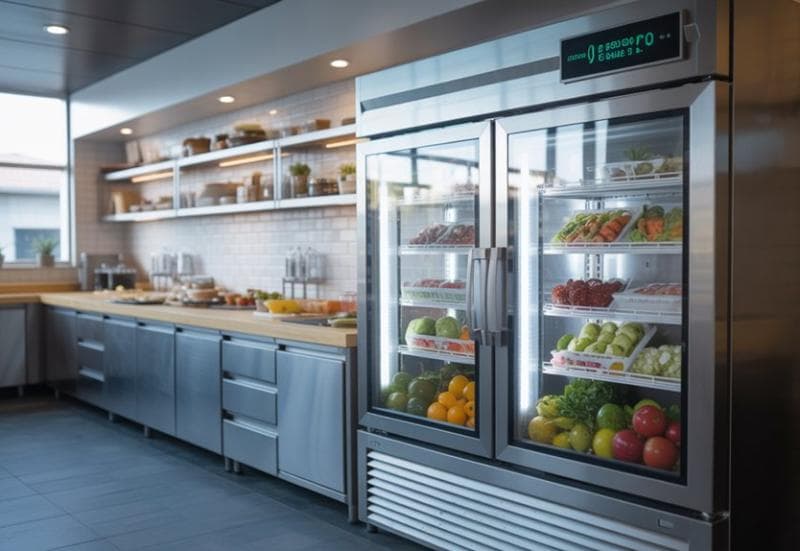
Adopting energy-efficient equipment, from refrigerators to front-of-house technology, greatly cuts costs. ENERGY STAR-certified appliances like refrigerators reduce energy consumption by up to 20%, and dishwashers save water and energy. Efficient lighting solutions, induction cooktops, and convection ovens further enhance savings. Incorporating smart thermostats and power strips optimizes usage and reduces waste. By investing in these technologies, businesses and homes can save money and reduce their environmental impact—there's more to cover next.
Key Takeaways
- ENERGY STAR-certified refrigerators reduce energy consumption by up to 20%, offering significant utility bill savings.
- Induction cooktops are 50% more efficient than traditional stoves, resulting in reduced energy consumption.
- LED lighting cuts energy usage by 75% and has a longer lifespan, minimizing replacement costs.
- Smart thermostats optimize temperatures, cutting heating and cooling expenses by up to 15%.
- ENERGY STAR dishwashers save 12% in energy and 30% in water, reducing annual operating costs.
Understanding Energy-Efficient Refrigerators
When it comes to understanding energy-efficient refrigerators, it’s vital to know how they can benefit both our wallets and the environment. By upgrading to an ENERGY STAR-certified model, we can significantly reduce our energy consumption and utility bills.
These refrigerators utilize advanced insulation and high-efficiency compressors, reducing energy consumption by up to 20% compared to standard models. Features like optimized temperature controls and LED lighting further enhance performance and contribute to energy savings.
Regular maintenance, such as cleaning coils and ensuring proper airflow, is crucial for maintaining efficiency and extending the appliance's lifespan.
Modern energy-efficient refrigerators offer a smart investment, reducing both our environmental footprint and household expenses, ultimately saving us hundreds of dollars each year.
The Benefits of ENERGY STAR Dishwashers
While upgrading our home appliances, opting for an ENERGY STAR dishwasher is a smart choice that offers both environmental and financial benefits.
These dishwashers, bearing the ENERGY STAR label, greatly improve energy efficiency by using 12% less energy and 30% less water than non-certified models. With water consumption as low as 4.25 gallons per cycle, we can save money and reduce reliance on natural resources.
ENERGY STAR dishwashers use 12% less energy and 30% less water, optimizing efficiency and saving resources.
Advanced features, such as soil sensors, adjust wash cycles to optimize performance and efficiency. As a result, annual operating costs are approximately $35, resulting in long-term savings on utility bills.
Investing in an ENERGY STAR dishwasher not only enhances our home’s sustainability but also contributes to quieter operation and durability, providing a worthwhile return on investment.
Energy-Saving Features of Modern Cooking Appliances
Let's examine how induction cooktops and advanced oven technologies enhance energy efficiency in our kitchens.
Induction cooktops are up to 50% more efficient than traditional stoves because they heat cookware directly, reducing energy waste.
Meanwhile, ovens equipped with advanced insulation maintain consistent temperatures and cut energy loss, which can save us up to 20% on our energy bills.
Induction Cooktop Efficiency
Induction cooktops have revolutionized our approach to energy efficiency in the kitchen. These energy-efficient models utilize electromagnetic energy to directly heat cookware, resulting in minimized wasted heat and significant energy savings, up to 50% more efficient than traditional options.
With precise temperature control, we can achieve faster cooking times without sacrificing quality. The smooth glass surface not only ensures even heat distribution but also facilitates easy cleaning.
Additionally, enhanced kitchen safety is another benefit, as induction cooktops remain cool to the touch, thereby reducing burn risks. Many models feature built-in WiFi for remote monitoring, adding convenience to our cooking routine.
Advanced Oven Technology
How do modern ovens achieve remarkable energy savings while enhancing our cooking experience?
By leveraging advanced ovens with energy-efficient features, we see impressive reductions in energy consumption. Convection technology, for instance, circulates hot air evenly, cutting energy use by up to 20%.
Smart technology enables us to monitor and control cooking remotely, reducing energy consumption by avoiding unnecessary preheating. Induction cooking heats pots directly, slashing energy consumption by up to 50% compared to traditional methods.
Improved insulation in these ovens minimizes heat loss, ensuring consistent temperatures and further energy savings. Even self-cleaning ovens are evolving; newer models use up to 30% less energy than older ones.
These features together make modern ovens an essential tool for energy-conscious cooking.
Efficient Lighting Solutions for the Kitchen
Let's explore how upgrading to LED lighting in our kitchens can lead to significant energy savings and improved lighting efficiency.
By choosing LED bulbs, we can reduce our energy use by up to 75% compared to traditional incandescent options, resulting in lower electricity bills and fewer replacements.
Additionally, incorporating ENERGY STAR-certified fixtures guarantees ideal light distribution, making our kitchens both environmentally friendly and highly functional.
Benefits of LED Lighting
While many of us seek ways to make our kitchens more energy-efficient, upgrading to LED lighting is a cost-effective solution worth considering.
LED lighting can reduce energy use by up to 75% compared to traditional incandescent bulbs. This energy-efficient choice not only lowers our electricity bills but also extends the lifespan of bulbs by 25 times, reducing replacement costs.
By reducing energy consumption, we also contribute to lowering greenhouse gas emissions, thereby fostering a more sustainable kitchen environment.
ENERGY STAR-certified LED fixtures are particularly beneficial as they’re designed to optimize light distribution, enhancing both efficiency and ambiance.
Combining LED lighting with natural light maximizes daylight use and reduces our reliance on artificial lighting, resulting in substantial energy savings.
Optimizing Light Distribution
In our quest to create a more energy-efficient kitchen, enhancing light distribution is a key factor. By using LED lighting, we can reduce energy use by up to 75%, which not only saves on electricity bills but also minimizes energy consumption and greenhouse gas emissions. ENERGY STAR-certified fixtures guarantee effective lighting in high-use areas, enhancing energy savings. Additionally, incorporating natural light through larger windows or skylights can further reduce reliance on artificial lighting. Regular maintenance and cleaning keep light fixtures efficient, maximizing both light output and energy savings.
| Key Component | Benefit |
|---|---|
| LED lighting | Reduces energy use by up to 75% |
| ENERGY STAR fixtures | Enhanced light distribution |
| Natural light | Lowers energy consumption |
| Maintenance | Guarantees maximum light output |
| Greenhouse gas reduction | Enhances kitchen sustainability |
Energy-Efficient Laundry Machines for Businesses
Energy-efficient laundry machines provide a smart solution for businesses seeking to reduce operational costs. By utilizing advanced technology, these machines, particularly ENERGY STAR-certified models, optimize water usage and minimize energy consumption.
Front-load models, for instance, use up to 50% less water and energy than traditional top-loaders. This not only lowers operating costs but also trims utility bills by about $50 annually.
Additionally, energy-efficient dryers equipped with moisture sensors prevent over-drying, cutting energy use by up to 15%. Over time, the reduced water and energy usage translates into significant savings, providing a solid return on investment.
Many businesses report annual savings of thousands of dollars, and potential rebates and incentives further enhance the financial benefits of upgrading.
Front-of-House Equipment: Energy Ratings and Savings
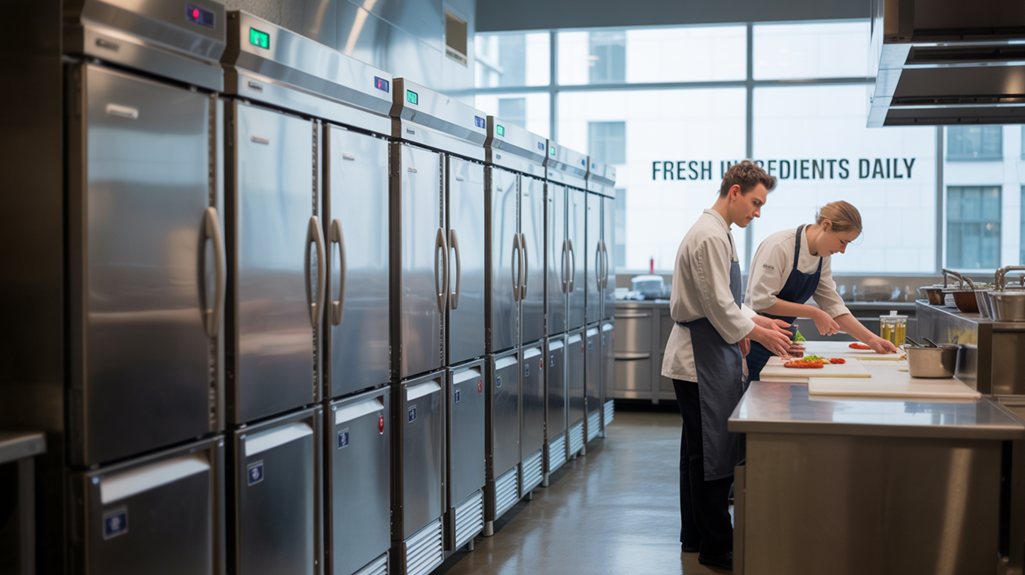
When it comes to front-of-house equipment , making smart energy choices can lead to substantial savings. By investing in energy-efficient equipment, such as ENERGY STAR-certified dishwashers and refrigerators, we can reduce energy costs by up to 50% compared to standard models.
These dishwashers also feature eco-cycles, reducing both water and energy consumption by an average of 30%, which lowers operational costs.
Upgrading our lighting fixtures to energy-efficient options, such as LED bulbs, can slash energy use by up to 75%, greatly impacting our utility bills.
In addition, programmable thermostats help optimize heating and cooling, offering potential savings of up to 15% on these expenses.
Embracing these energy-efficient solutions not only reduces our environmental impact but also enhances our bottom line.
Maximizing Savings With Smart Power Strips and Thermostats
Harnessing the power of technology, smart power strips and thermostats provide practical ways to reduce energy expenses while maintaining home comfort. By integrating these tools, we can notably reduce energy consumption and optimize heating and cooling. Smart power strips eliminate phantom load by cutting power to idle devices, saving up to $100 annually on electricity bills. Programmable thermostats enable us to set different temperatures for various times, resulting in potential energy cost savings of up to 15%.
| Feature | Benefit | Savings Potential |
|---|---|---|
| Smart Power Strips | Eliminate phantom load | Save up to $100 annually |
| Programmable Thermostats | Optimize heating and cooling | Save up to 15% on energy costs |
| Energy Usage Reports | Informed adjustments | Enhance energy efficiency |
Final Thoughts
By adopting energy-efficient equipment, we can significantly reduce both operational costs and environmental impact. Upgrading to ENERGY STAR-rated refrigerators and dishwashers, using modern cooking appliances, and choosing efficient lighting and laundry machines can make a big difference. Don’t forget the front-of-house savings opportunities with smart power strips and thermostats. These solutions not only enhance our business's sustainability but also improve our bottom line. Let’s take these practical steps to create a more energy-efficient and cost-effective operation.