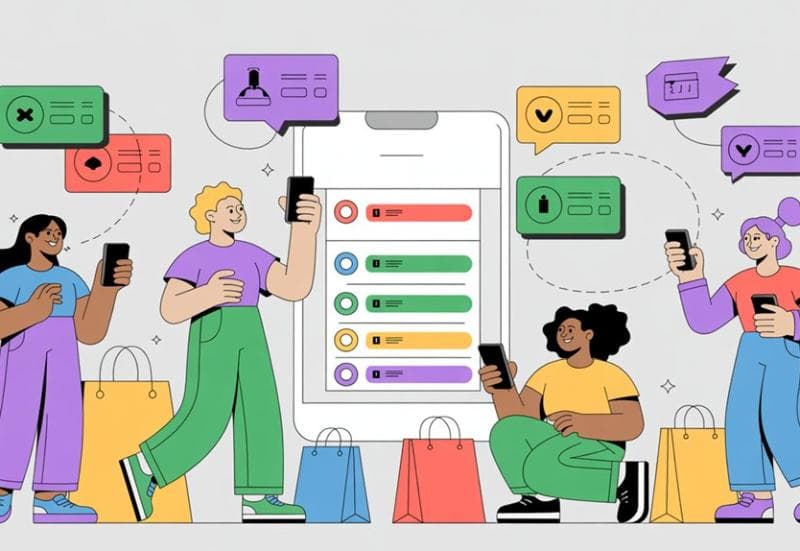
Loyalty programs that truly pay off combine points, tier systems, and strategic pricing to boost customer engagement. We find that points-based systems, like Starbucks Rewards, motivate spending, while tiered structures, such as those with Sephora, offer escalating rewards that drive deeper brand loyalty. Strategic pricing adjustments ensure immediate engagement, while emotional connections are strengthened through personalized experiences. Implementing these elements can foster long-term customer retention and satisfaction. Let's uncover more strategies for optimizing your loyalty program.
Key Takeaways
- Points-based systems, such as Starbucks Rewards, drive engagement by linking spending to rewards, boosting customer loyalty, and increasing store revenue.
- Tiered programs, such as Sephora's Beauty Insider, motivate higher spending through exclusive benefits, enhancing customer engagement and retention.
- Strategic pricing and dynamic offers in loyalty programs enhance perceived value, fostering emotional connections and long-term customer loyalty.
- The integration of technology in programs enables personalized experiences, increasing engagement through a points economy and offering soft tier downgrades.
- Gamification and exclusive perks in loyalty programs enhance engagement, encouraging repeat purchases and boosting overall customer satisfaction.
Understanding the Basics of Loyalty Programs
When we examine the fundamentals of loyalty programs, it's essential to recognize their role in promoting customer engagement and retention.
These programs, including points-based and tiered loyalty programs, serve as a strategic approach to enhance customer loyalty. Successful loyalty programs are rewards and benefits-based, encouraging loyalty program members to engage more deeply with the brand.
For instance, tiered loyalty programs, such as Sephora's Beauty Insider, motivate customers by offering exclusive access and benefits, thereby reinforcing brand loyalty. By structuring multiple tiers, they create a customer loyalty strategy where each level provides increasingly higher rewards, thereby enhancing motivation.
Understanding customer preferences and analyzing data is key to optimizing these programs. Ultimately, they're designed to boost customer engagement and loyalty, proving invaluable for businesses.
The Power of Points-Based Systems
As we explore the power of points-based systems, it becomes clear that these schemes play a crucial role in driving customer engagement and loyalty. Customers earn points with each purchase, as seen in Starbucks Rewards, where 53% of store spending comes from its active members.
Programs like Sephora’s Beauty Insider offer a tiered loyalty program, providing exclusive benefits and personalized offers to their 25 million members. By fostering an emotional connection, these loyalty schemes help engage customers and improve customer retention.
Chipotle Rewards and NikePlus further demonstrate this by offering free items and early product access, respectively. The gamification aspect encourages members to interact more, ensuring long-term loyalty and making these customer loyalty programs indispensable for businesses.
Exploring Tiered Loyalty Program Structures
Let's explore how tiered loyalty programs, such as those of Sephora and World of Hyatt, motivate customers by offering increasingly higher rewards as they advance through levels.
These programs benefit customers by providing exclusive perks at higher tiers, encouraging continued engagement and spending.
Benefits of Loyalty Tiers
Tiered loyalty programs offer a compelling way to enhance customer engagement and satisfaction. By structuring rewards through Loyalty Tiers, brands can deliver increasing benefits that motivate spending and deepen connections.
Here are some key advantages:
-
Exclusive Rewards: Higher tiers provide personalized offers, early access, and special discounts, driving engagement and loyalty.
-
Effective Loyalty Programs: Tiered programs, such as Sephora's Beauty Insider, demonstrate successful loyalty management, encouraging 25 million members to aim for higher tiers.
-
Customer Engagement: Programs like Hilton Honors and World of Hyatt create gamified experiences, making customer interactions more engaging.
-
Enhanced Satisfaction: Regular analysis and optimization guarantee the program aligns with customer expectations, improving overall satisfaction.
Advancing Through Levels
When we examine tiered loyalty program structures, it becomes clear that these systems are designed to strategically engage customers by offering progressively more enticing rewards. Through a points-for-every-dollar system, programs like Sephora's Beauty Insider encourage customers to advance to higher tier status, thereby enhancing customer satisfaction. As we ascend to a higher tier, exclusive discounts and personalized perks become available, increasing customer engagement.
Tier Level, Benefits & Examples:
- Bronze: Entry-level perks - Basic discounts
- Silver: Mid-level rewards - Early sale access
- Gold: Premium benefits - Exclusive discounts, gifts
The World of Hyatt loyalty program is another excellent example, rewarding customers with clear benefits like complimentary nights. Clear communication through personalized emails keeps members informed of their benefit levels and motivates them to reach the next milestone, effectively rewarding customers.
Strategic Pricing Tweaks for Enhanced Loyalty
Strategic pricing tweaks can greatly enhance the effectiveness of loyalty programs by creating a sense of urgency and exclusivity.
By implementing these strategies, we can considerably improve customer retention rates and encourage repeat purchases. Here’s how:
-
Tiered Pricing Structures: Motivate customers to reach higher tiers with progressively greater rewards, boosting overall spending.
-
Exclusive Discounts: Offer special pricing for loyalty program members, enhancing perceived value and fostering an emotional connection.
-
Dynamic Pricing: Use limited-time offers to align with customer spending patterns and prompt immediate engagement actions.
-
Regular Analysis: Continuously assess spending habits and adjust strategies to ensure they resonate with our audience, thereby enhancing loyalty.
Emotional Engagement and Customer Motivation
As we explore emotional engagement and customer motivation, it becomes clear that consistent motivation techniques can truly enhance loyalty programs.
By incorporating emotional engagement strategies, such as personalized experiences and tiered exclusivity, brands can foster long-term loyalty and make customers feel valued.
With gamification elements like milestones and rewards, we can create an enjoyable and rewarding shopping experience that encourages customers to return.
Constant Motivation Techniques
To effectively engage customers and boost motivation within loyalty programs, we need to focus on emotional connections and strategic incentives. By implementing constant motivation techniques, we can enhance customer engagement and drive spending. Here's how:
-
Tiered Loyalty: Encourage an emotional bond by offering exclusive benefits at higher tiers. This motivates customers to aim for VIP tiers, increasing their commitment to the membership program.
-
Point Accumulation: Create a sense of achievement by rewarding customers for their purchases. Accumulating points keeps them engaged and enthusiastic to redeem rewards.
-
Experiential Rewards: Offer unique experiences, such as exclusive events or early product access, to enhance customers' emotional connection with the brand.
-
Hidden Rewards: Stimulate curiosity and participation by featuring hidden rewards, prompting customers to explore and engage more deeply with the program.
Emotional Engagement Strategies
Building on constant motivation techniques, emotional engagement strategies play a pivotal role in cultivating lasting customer loyalty.
By leveraging personalized experiences and offering exclusive rewards, we can deepen our connection with customers, enhancing their satisfaction and loyalty. Customer loyalty programs that emphasize emotional engagement often see a boost in customer retention, as engaged customers are more likely to repurchase and explore new products.
Incorporating gamification elements motivates customers to progress through tiers, enriching their experience. Creating a brand community through these programs—by hosting exclusive events or member-only experiences—strengthens these emotional ties.
Studies show that emotionally engaged customers are more likely to recommend our brand, driving revenue growth and ensuring that our loyalty programs aren't only effective but also transformative.
Fostering Long-Term Loyalty
When we focus on fostering long-term loyalty, emotional engagement and customer motivation become essential components.
Loyalty programs thrive when we integrate emotional engagement strategies, driving customer connection and enhancing brand relationships. Brands like Sephora excel with tiered loyalty, offering exclusive benefits that increase customer lifetime value.
Here are some ways emotional engagement enhances loyalty:
-
Personalized Rewards: Tailoring rewards to customer preferences boosts emotional connection and loyalty points accumulation.
-
Exclusive Benefits: VIP tiers or early access to products motivate customers to climb tiers, fostering long-term loyalty.
-
Gamification Techniques: Point challenges and milestone rewards encourage ongoing participation and engagement.
-
Sense of Belonging: Creating community through tiered loyalty programs fosters a sense of belonging, enhancing repeat purchases.
Implement these strategies to elevate your loyalty programs.
Integrating Technology for Seamless Loyalty Experiences
As businesses strive to enhance customer loyalty, integrating technology into loyalty programs emerges as a pivotal strategy. By leveraging technology integration, we can refine tier management and boost customer engagement. Implementing a points economy encourages engagement-driven behaviors, while soft tier downgrades guarantee customers retain loyalty benefits. Regular data analysis allows us to tailor rewards, enhancing the customer experience. Gamification strategies foster competition, driving members to access exclusive rewards. These elements create a seamless experience, making our loyalty programs more effective.
Key Features of Integrating Technology and Its Benefits:
- Technology Integration - Enhanced personalization
- Points Economy - Increased engagement
- Soft Tier Downgrades - Retained customer loyalty
- Data Analysis - Tailored rewards and offers
Through these strategies, we effectively elevate customer engagement and satisfaction.
Case Studies of Successful Loyalty Programs
Having explored the integration of technology into loyalty programs, we can now examine real-world examples that highlight effective strategies.
Successful loyalty programs utilize tiers, points, and consumer intelligence to enhance customer engagement and drive annual revenue growth.
Tiers, points, and consumer intelligence drive engagement and revenue growth in loyalty programs.
Let’s explore four standout examples:
-
Sephora Beauty Insider: With over 25 million members, this program offers exclusive discounts and personalized recommendations through three tiers, driving successful loyalty.
-
Starbucks Rewards: With 28.7 million active members, its points-based system encourages frequent visits, accounting for 53% of store spend.
-
Hilton Honors: Operating with four tiers, members enjoy perks like room upgrades, enhancing customer satisfaction, and loyalty.
-
Nordstrom Nordy Club: Emphasizing exclusive access and personalized experiences, this program promotes strong customer engagement in the fashion retail space.
Best Practices for Optimizing Loyalty Program ROI
Optimizing the return on investment (ROI) for loyalty programs involves several key strategies that can greatly enhance their effectiveness. By implementing a clear tier structure, we motivate customer engagement through the pursuit of redeemable rewards and exclusive benefits. Monitoring loyalty program metrics enables us to make data-driven adjustments, ensuring that personalized rewards effectively boost customer lifetime value. Incorporating gamification elements, such as milestones, can help keep the program engaging. Let’s look at some best practices:
Strategies for best practices and their benefit:
- Tier Structure - Increases engagement
- Data-Driven Adjustments - Enhances satisfaction
- Personalized Rewards - Boosts lifetime value
- Gamification Elements - Encourages repeat purchases
- Exclusive Benefits - Enhances perceived value
Conclusion
In our exploration of loyalty programs, we've seen how points, tiers, and strategic pricing can boost customer retention. By integrating emotional engagement and leveraging technology, we create seamless experiences that motivate and reward our customers. Successful case studies highlight the importance of tailoring programs to meet specific needs. As we apply these best practices, let's focus on optimizing ROI and ensuring our loyalty initiatives are both effective and rewarding for our customers and our business.